
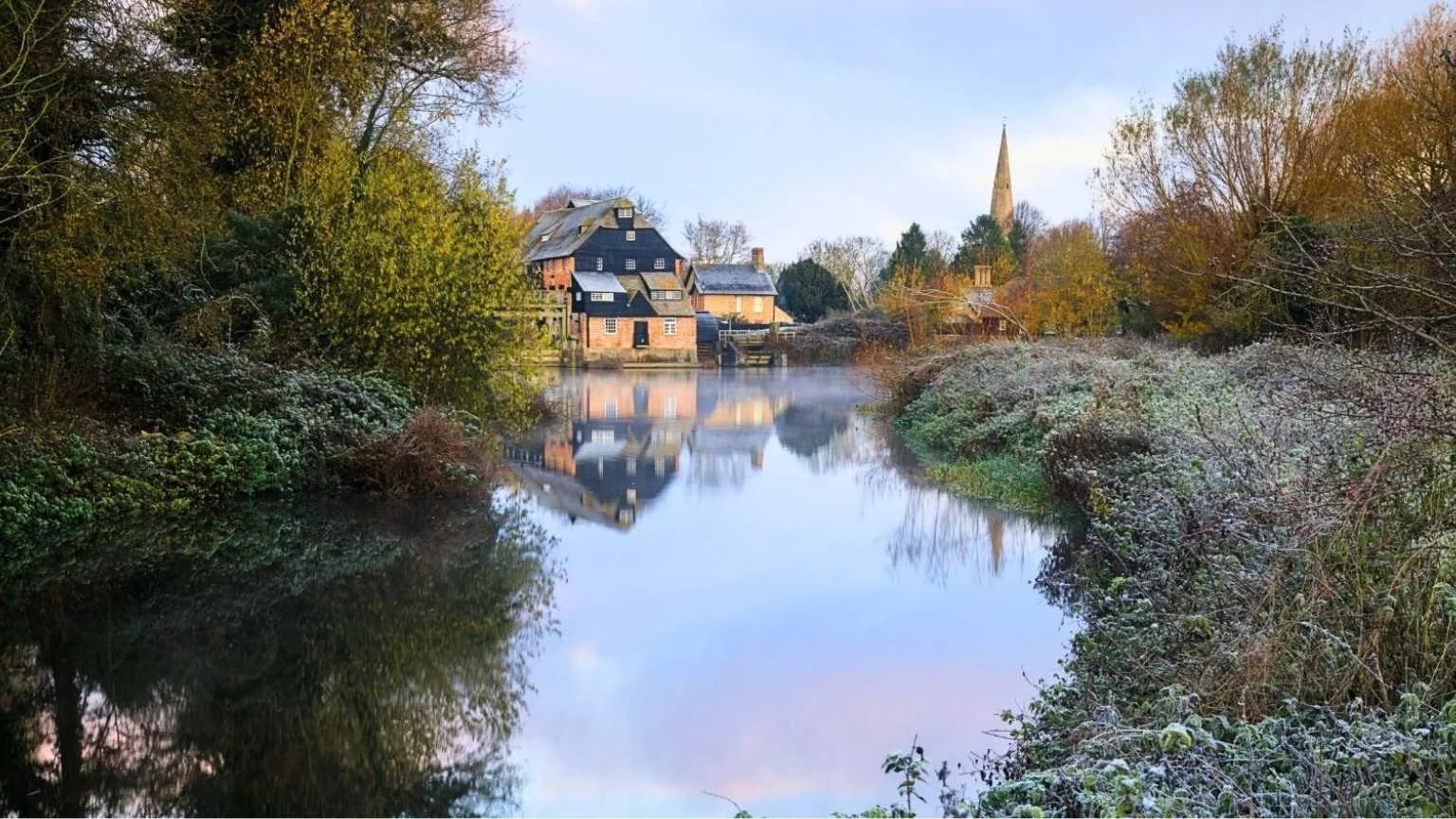
Eagle Mill was mentioned in a feature by The Times, which got us thinking about the nature reserves and protected landscapes within easy reach of the hotel. From ancient woodland and meadows to chalk pits and fenland, there are some wonderful places to explore during your stay.
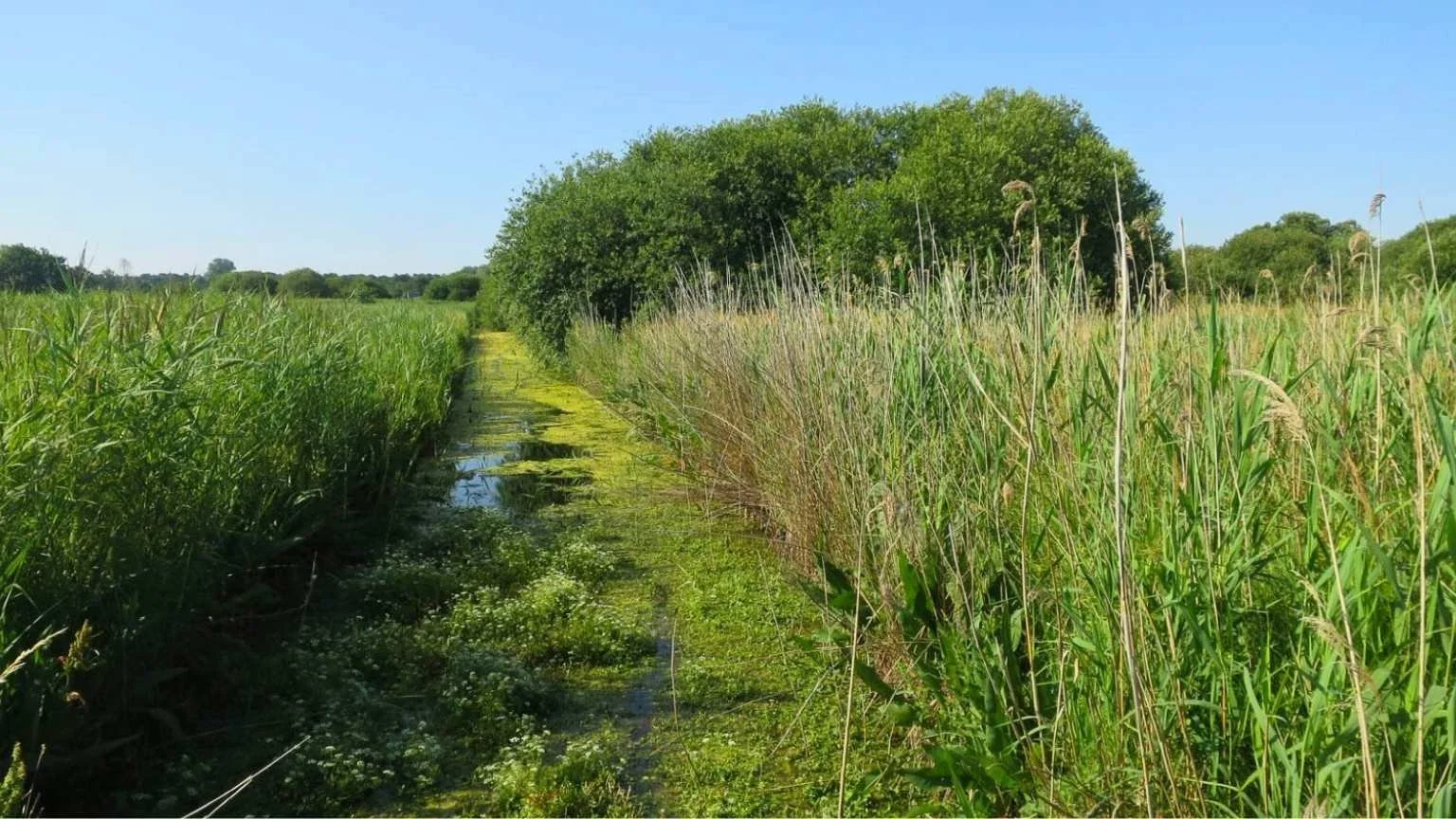
Woodwalton Fen
Woodwalton Fen is one of Cambridgeshire’s most important nature reserves and forms part of the wider Great Fen landscape restoration project.
Charles Rothschild bought the site in 1910 to protect this surviving fragment of ancient fenland, and today it provides a vital refuge for thousands of species of plants and animals, including some that are found in very few other places in the UK. The reserve is owned by the Wildlife Trust BCN and managed by Natural England.
Woodwalton Fen is around a 20-minute drive from Eagle Mill.
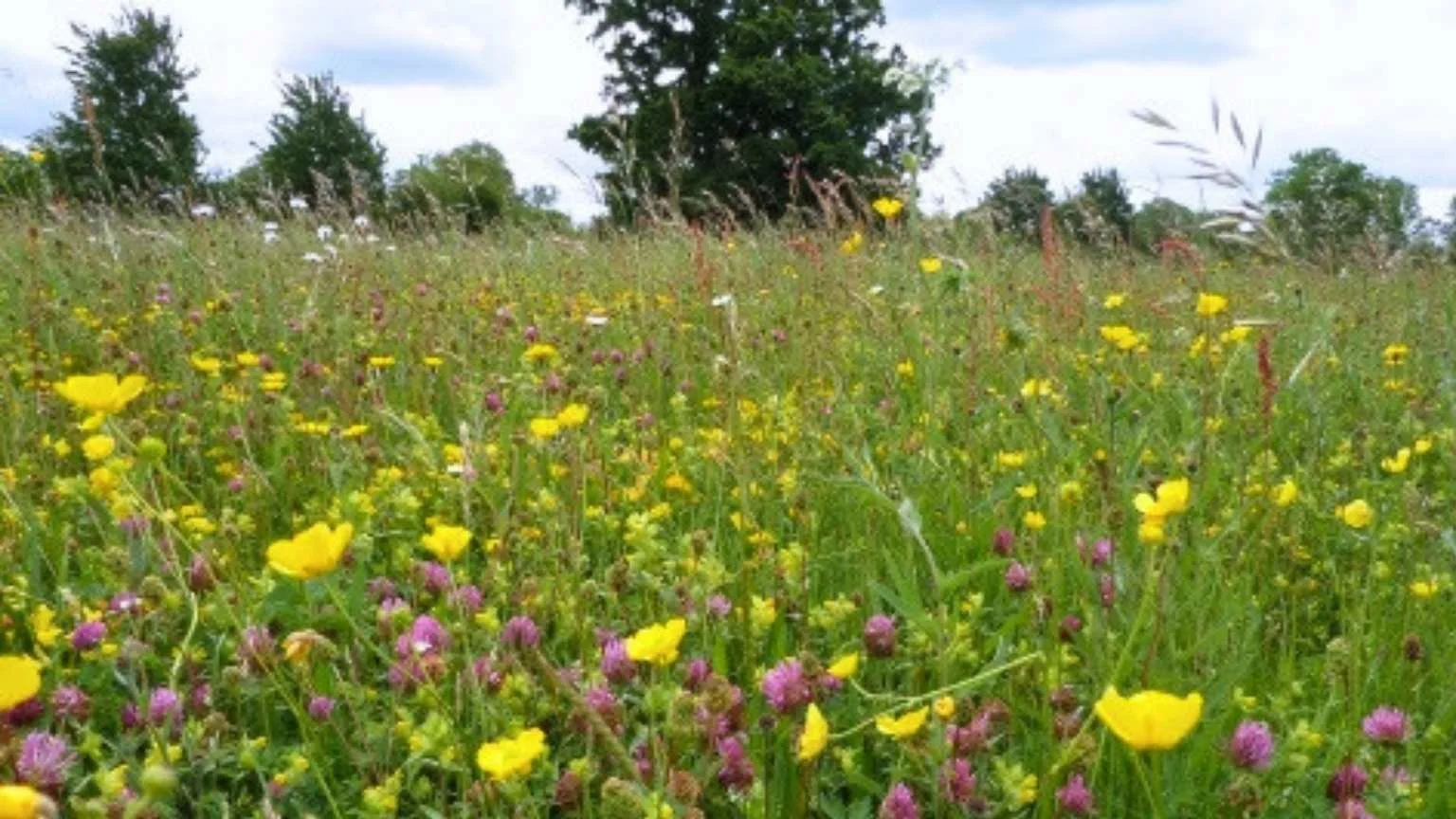
Houghton Meadows
Houghton Meadows is a beautiful National Trust landscape in the village of Houghton, within walking distance of Eagle Mill.
The meadows have been managed using traditional hay-cutting and grazing practices, helping to preserve their wildflowers and wildlife. Habitats like these have become increasingly rare, making the area particularly valuable for pollinators, birds and other wildlife.
The National Trust’s Houghton Meadows walk is a lovely 1.8-mile circular route through the meadows and alongside the River Great Ouse, starting and finishing at Houghton Mill.
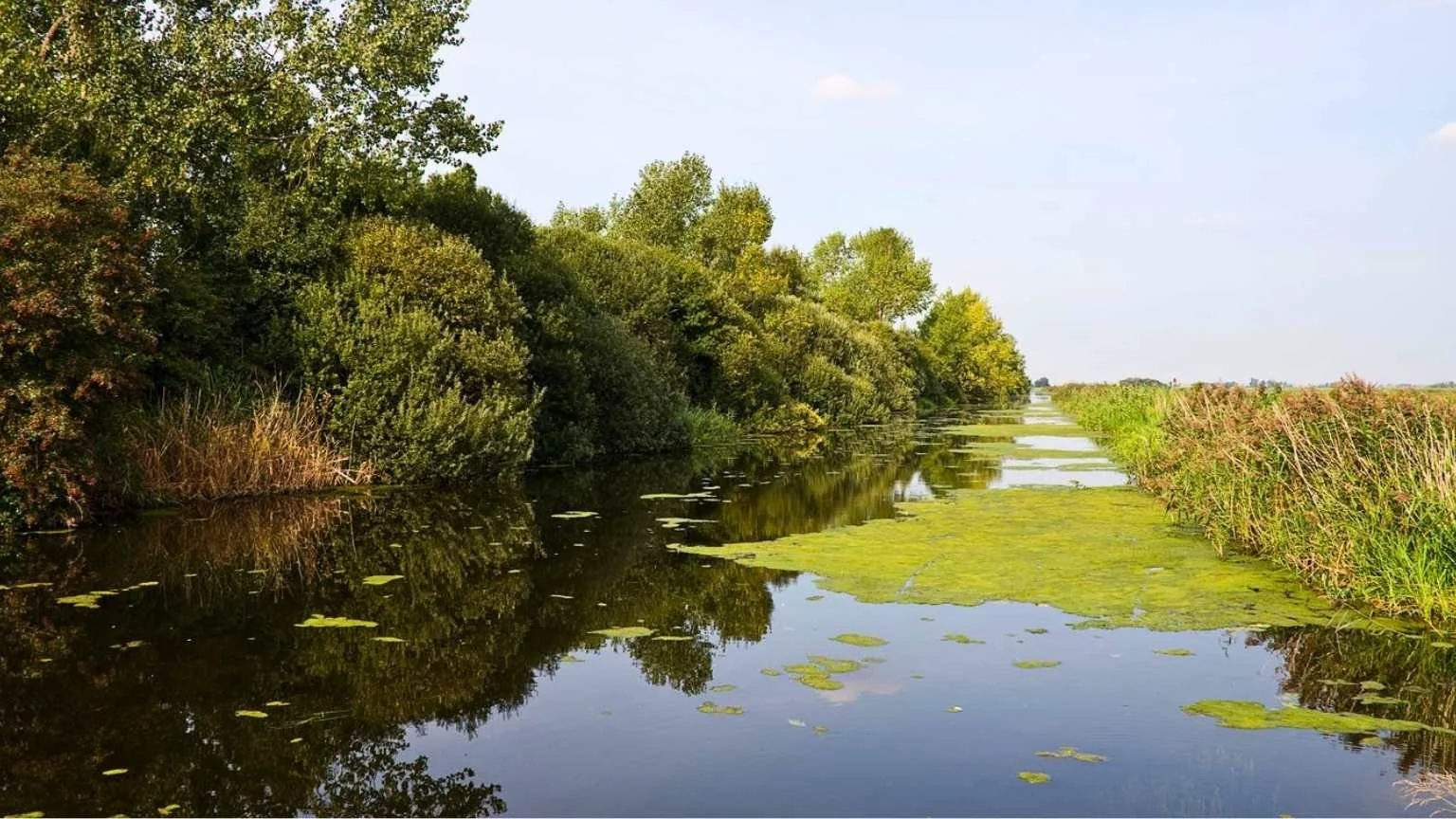
Godmanchester Nature Reserve
Godmanchester Nature Reserve is a 59-hectare reserve made up of four former gravel-pit lakes, surrounded by grassland, reedbeds, willows and ancient hedgerows.
It’s a particularly good spot for birdwatching, with kingfishers, water rail, sand martins and a wide variety of ducks and geese among the species seen here. The reserve has an easy circular trail and is suitable for visiting throughout the year, with spring highlighted as an especially good time to go.
A longer walk through the area can also take in nearby Portholme Meadow and the River Great Ouse.
A lovely walk through the area takes in both the reserve and nearby Portholme Meadow, with riverside paths and open floodplain scenery. As Portholme is a floodplain meadow, the route is better suited to drier conditions.
Grafham Water
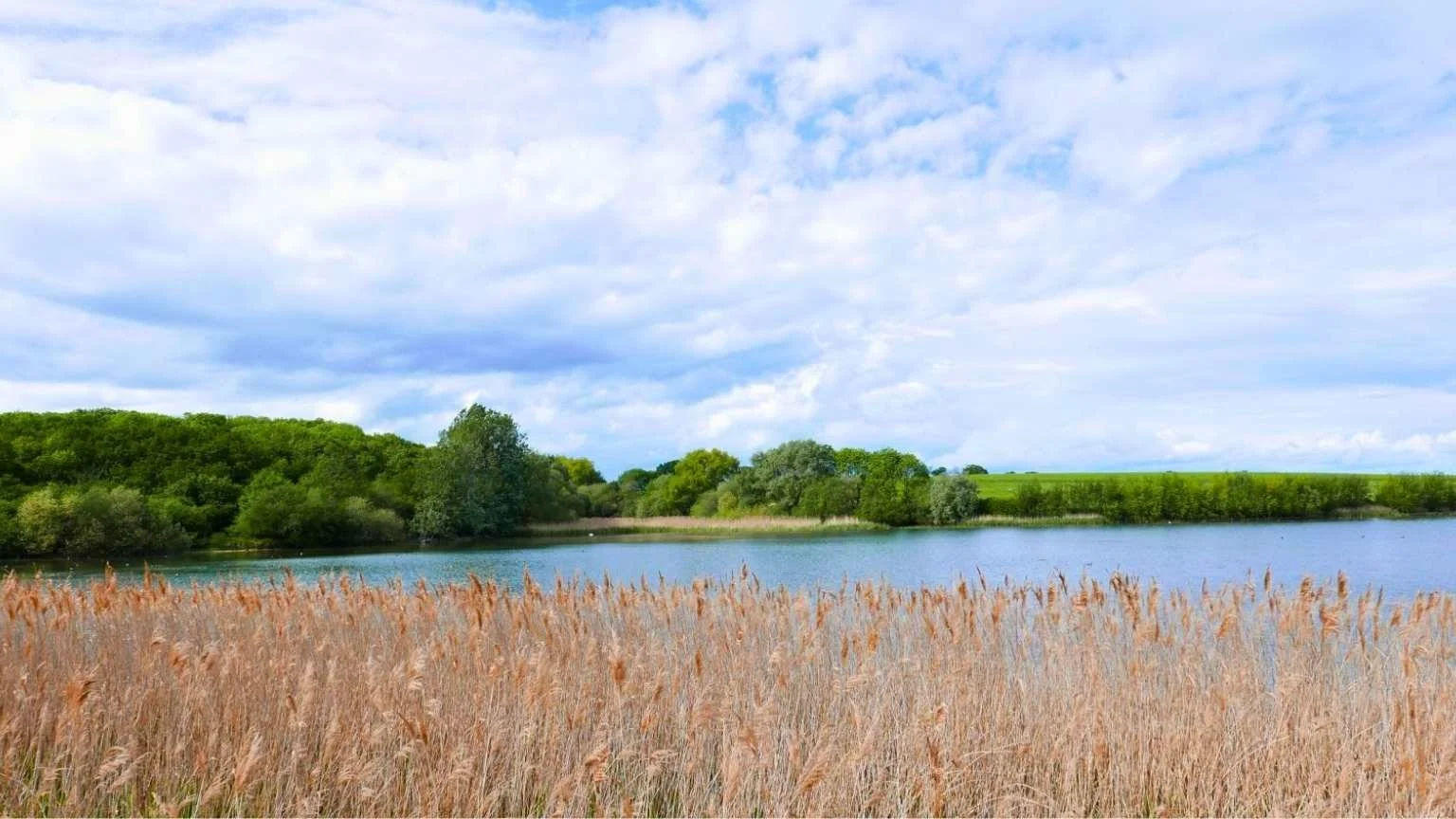
Grafham Water, England’s third-largest reservoir, is around a 20-minute drive from Eagle Mill and sits within 1,500 acres of Cambridgeshire countryside.
The western end includes a 280-acre nature reserve, with ancient woodland, reed beds and important habitats for birds and amphibians. Grafham Water has also been designated a Site of Special Scientific Interest for more than 30 years.
It’s a great choice if you enjoy birdwatching, walking, cycling, fishing or watersports, with a nine-mile track around the reservoir for exploring on foot or by bike.
Pingle Cutting
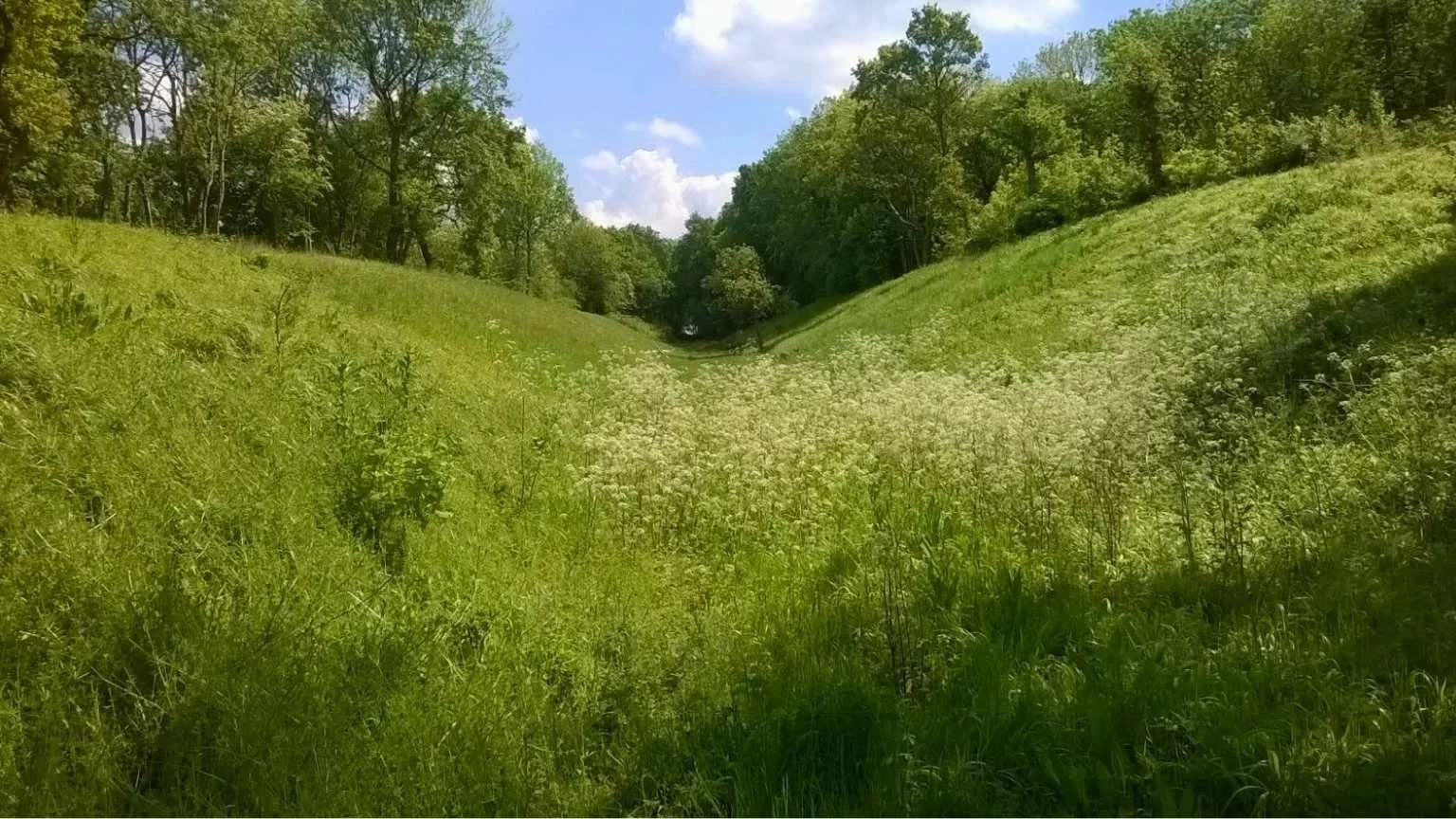
Pingle Cutting is a small nature reserve near Warboys, created from a former railway cutting and now managed as meadow grassland and woodland.
The sheltered cutting supports a rich mix of wildflowers and wildlife, with more than 50 bird species and around 300 moth species recorded here. Summer is especially good for wildflowers, including ox-eye daisies, wild carrot and common spotted orchids.
There are also several walking routes around Warboys and the surrounding fenland if you want to explore the wider area.
Around 10 minutes by car from Eagle Mill.
Beechwoods
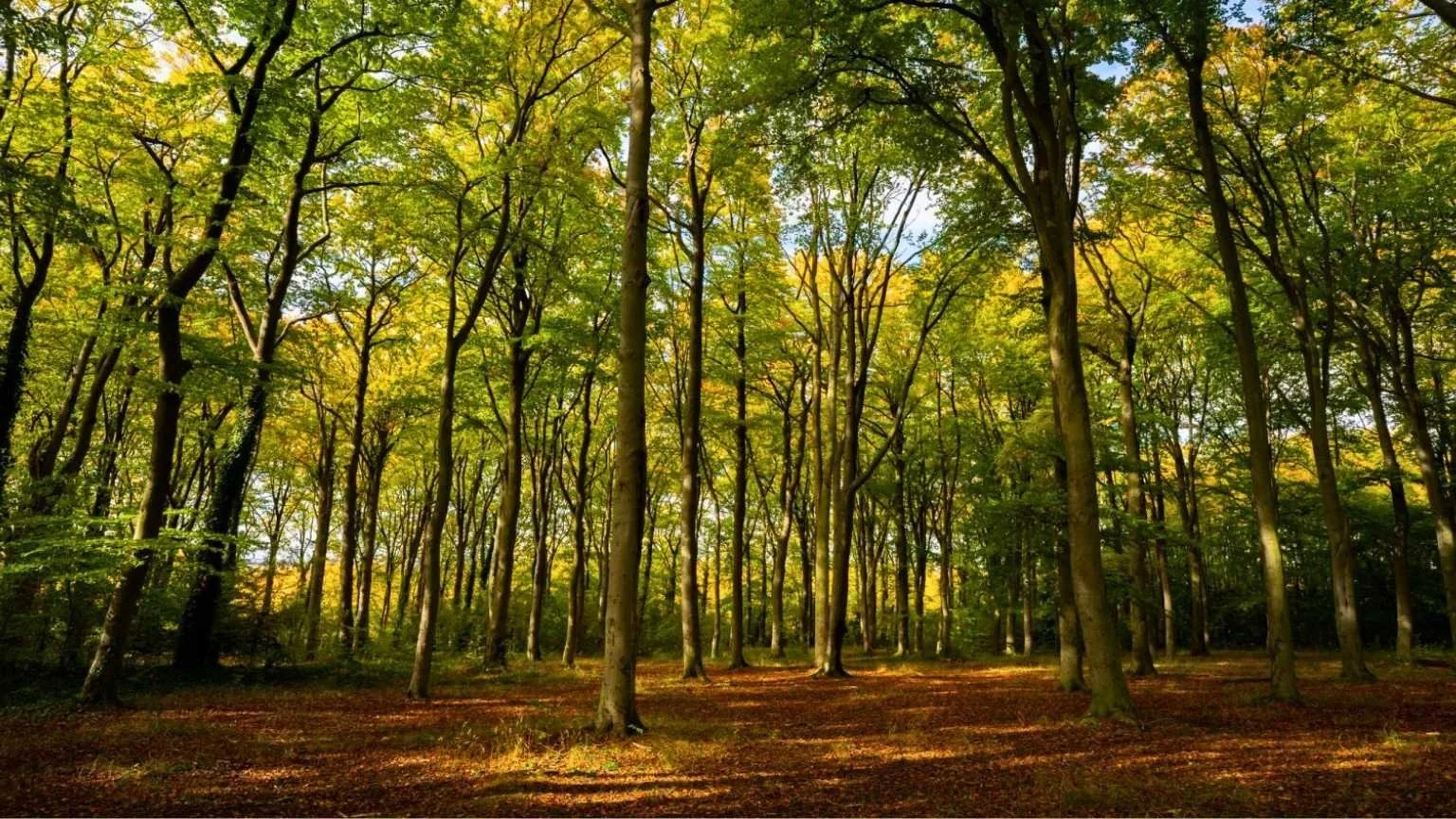
Beechwoods is a small Local Nature Reserve on the edge of Cambridge, known for its mature beech trees and peaceful woodland setting.
The original wood was planted in the 1840s, and medieval plough terraces can still be seen beneath the trees. A newer area of broadleaved woodland was planted alongside it in 1992, gradually creating a more varied habitat.
In spring, white helleborine orchids appear beneath the beeches, while green and great spotted woodpeckers, nuthatches and other woodland birds can also be seen here. There’s also a pleasant 4km walk into the reserve from Wort’s Causeway.
Dogsthorpe Star Pit
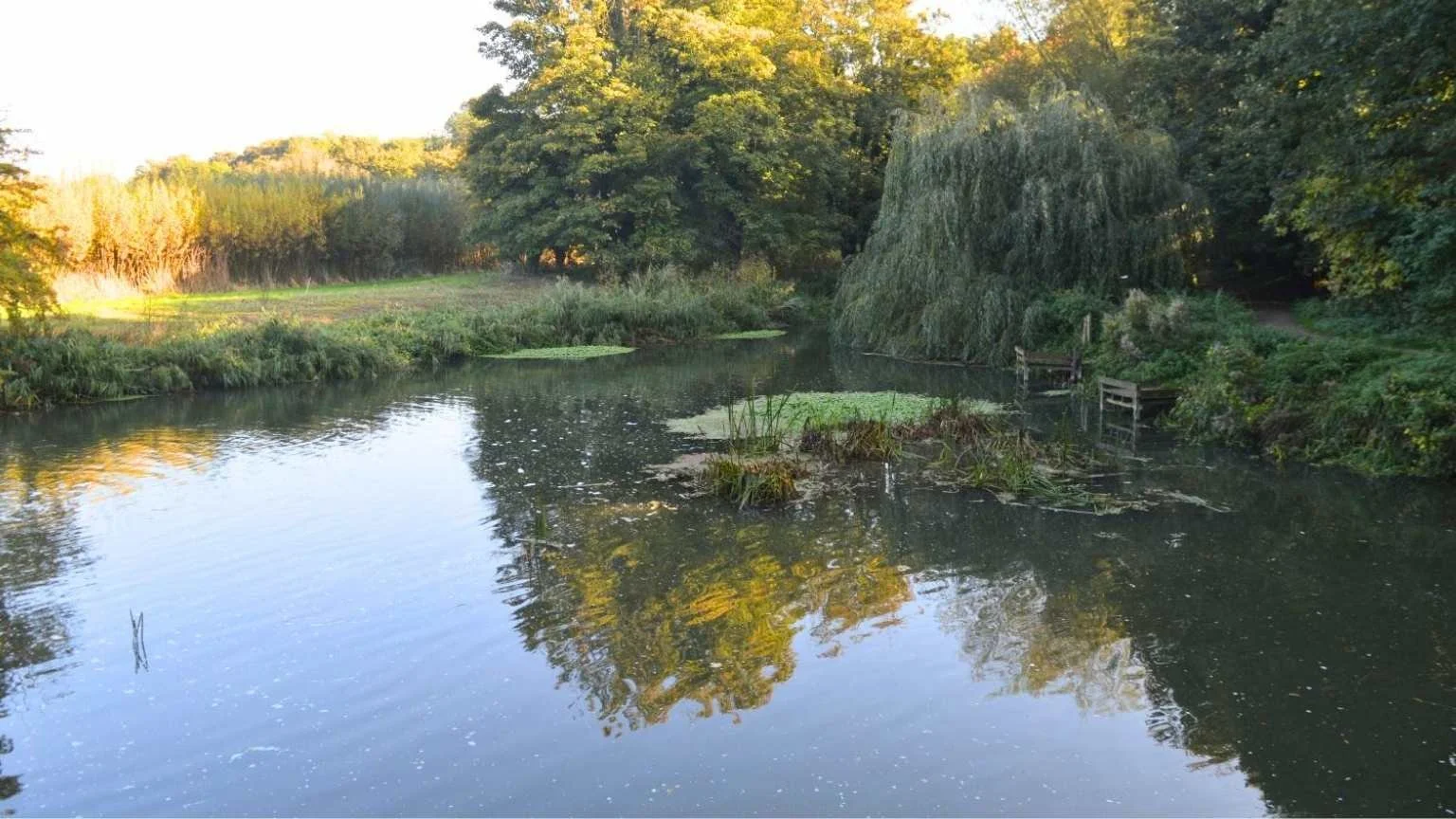
Dogsthorpe Star Pit is a 37-hectare nature reserve on the outskirts of Peterborough, created from former clay pits that gradually developed into an important wildlife habitat, noted for its rare and diverse wildlife.
The shallow pools are particularly notable for their water beetles, with more than 60 species recorded, while dragonflies, damselflies and kingfishers can also be seen around the water. The surrounding grassland supports bee and pyramidal orchids, butterflies, like the meadow brown butterfly, and a wide range of birdlife.
There are walking trails through the reserve itself, with nearby Little Wood offering an additional stretch of ancient woodland to explore.
Dogsthorpe Star Pit is designated as a Site of Special Scientific Interest (SSSI), highlighting its importance for nature conservation and its role in protecting rare species and habitats.
Fulbourn Fen
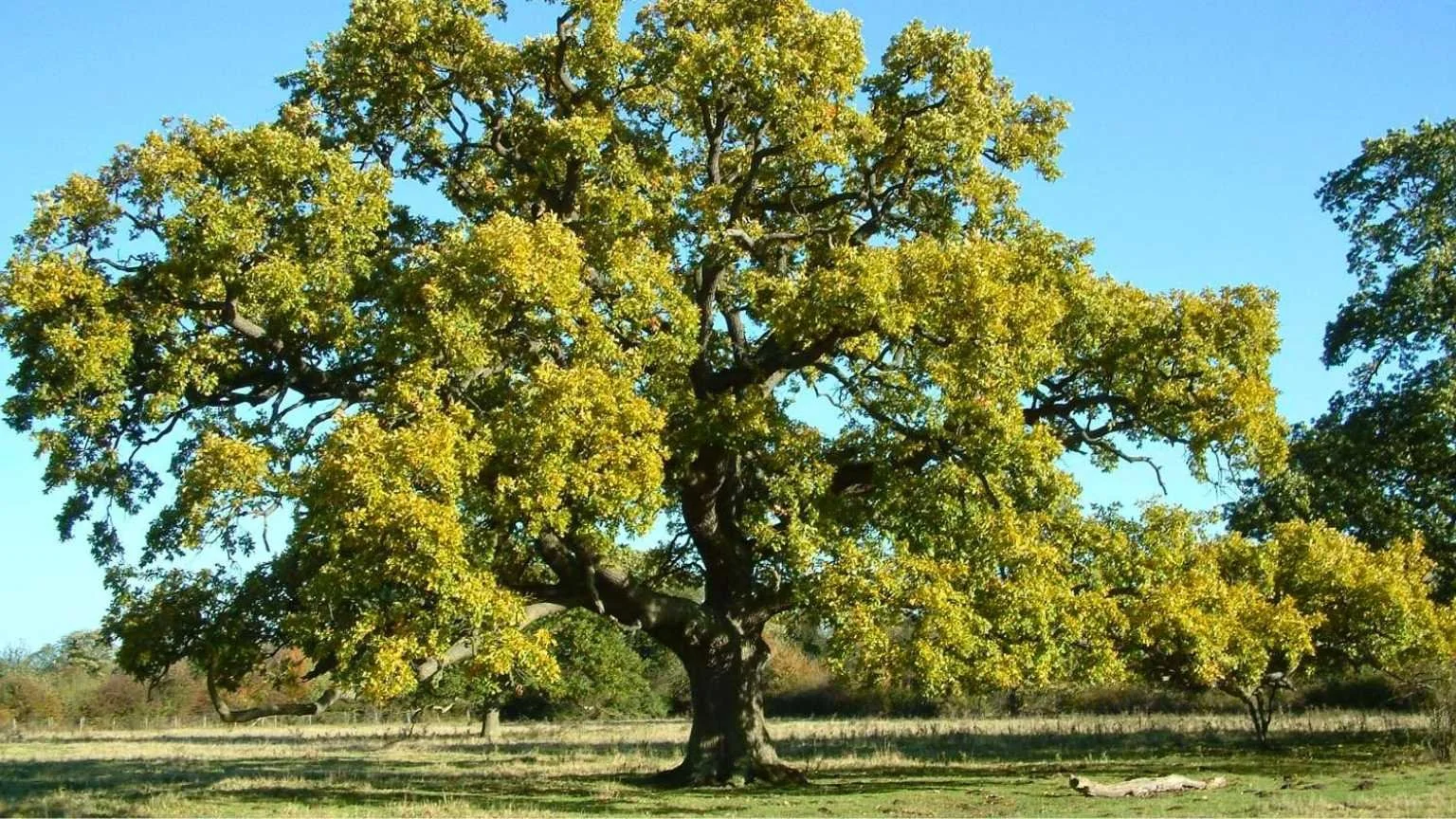
Fulbourn Fen is a beautiful and ecologically important nature reserve near the village of Fulbourn, Cambridgeshire. Managed by the Wildlife Trust, it is made up of a collection of species-rich meadows with a wonderful variety of plants, insects and birdlife.
In spring you’ll find cowslips across the meadows, followed by lady’s bedstraw and the purple flowers of stemless thistle. The reserve is also a haven for birds, including warblers, owls and woodpeckers, with winter visitors such as snipe.
There is history here too. Moat Meadow contains the defensive earthworks of a medieval manor house, a reminder that the old village of Fulbourn once extended across much of this area.
The Fulbourn Fen Circular is a short and lovely walking route if you want to explore the reserve on foot.
Gamsey Wood
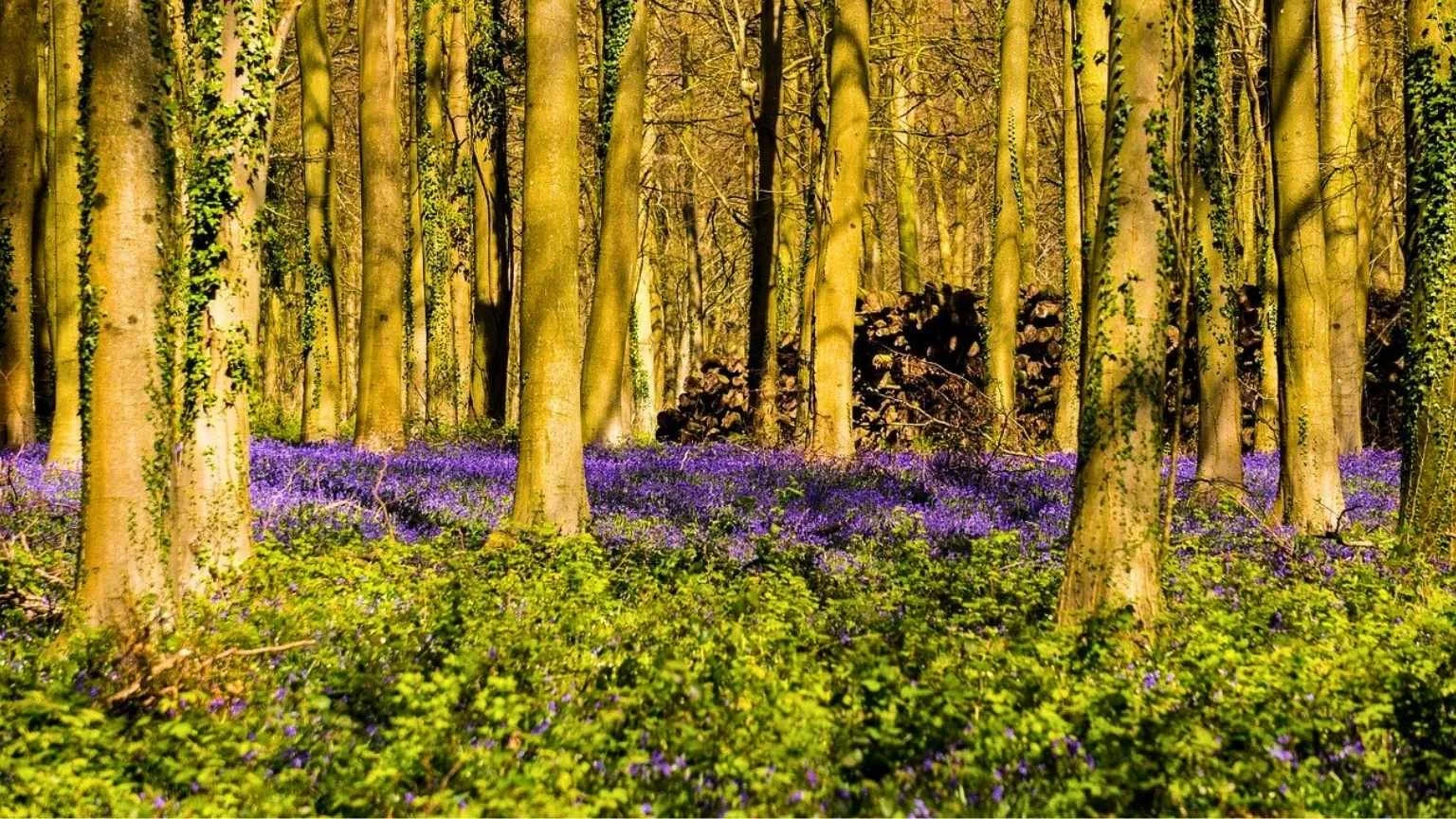
Gamsey Wood is a peaceful four-hectare ancient woodland around 15 minutes from Eagle Mill, tucked within working farmland southwest of Ramsey.
Dominated by ash and field maple, the wood is believed to be a surviving fragment of the ancient forest that once covered much of this area in Saxon times. Spring is especially lovely, when bluebells, wood anemones and yellow archangel appear beneath the trees.
The wood is also home to white-letter hairstreak butterflies and white-spotted pinion moths, while fieldfare and redwing visit during winter. A short grass track leads to the reserve, although paths can become muddy in wet weather.
Hayley Wood
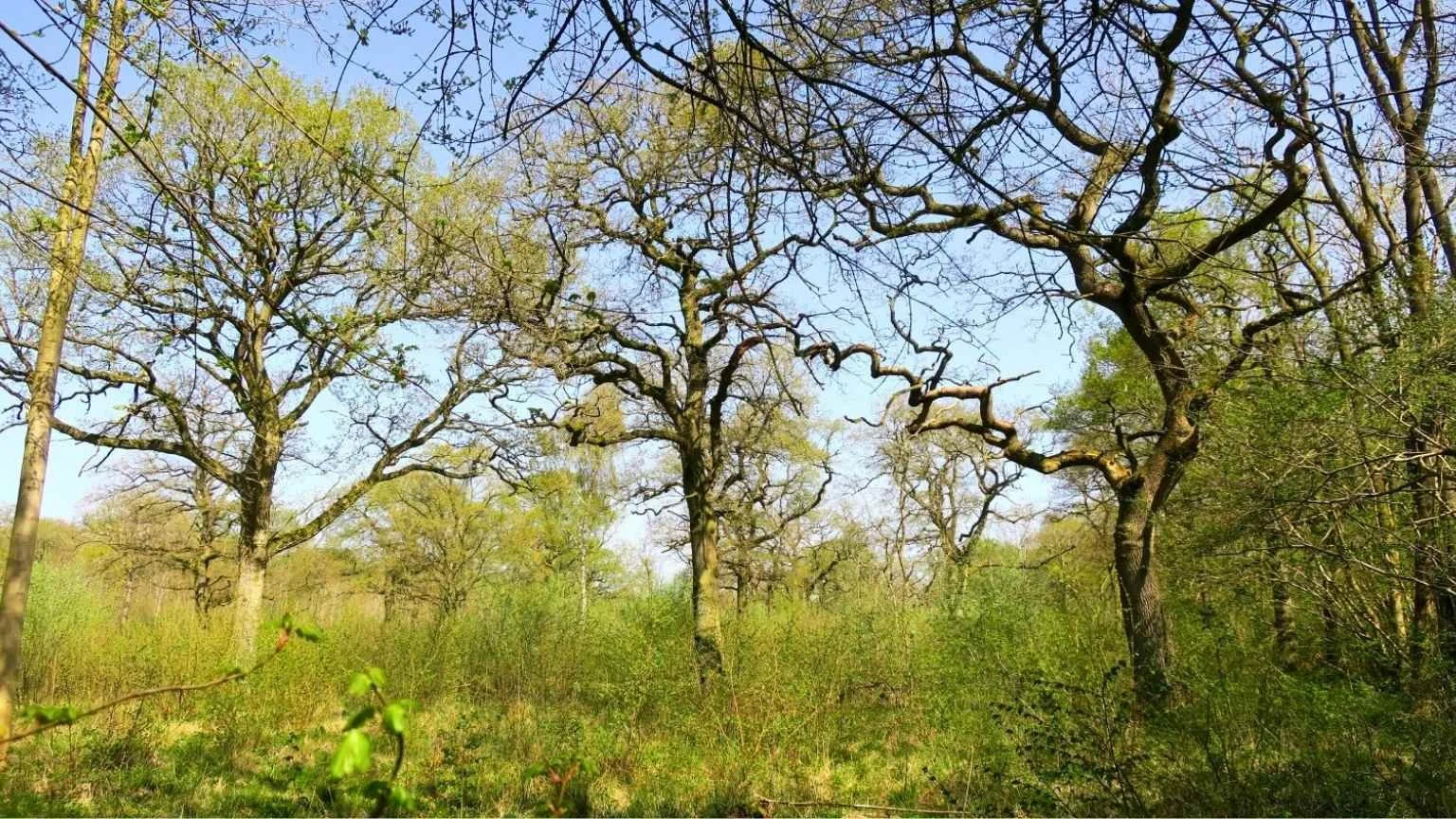
Hayley Wood is a beautiful ancient woodland near Little Gransden, known for its rich wildlife, long history and spectacular spring flowers.
The 52-hectare wood is both a Site of Special Scientific Interest and designated ancient woodland, and is still managed using traditional coppicing methods. In spring, the woodland floor comes alive with oxlips, bluebells, wood anemones and orchids, while the wood is also home to hundreds of species of fungi and thousands of insects and birds.
There are good level paths and wide woodland rides to explore, although they can become very muddy during winter. Spring is the loveliest time to visit.
Planning a stay in Cambridgeshire?
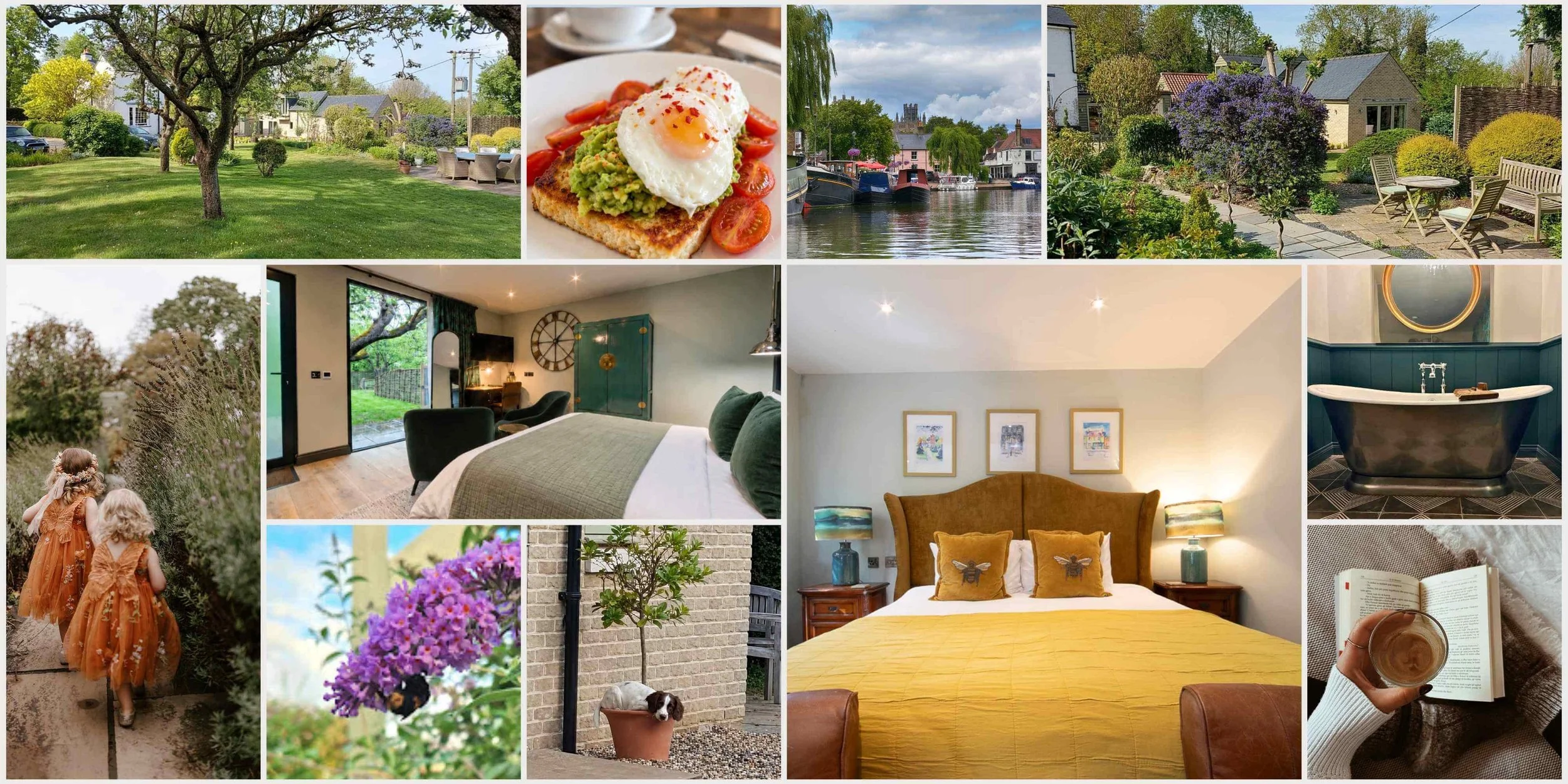
One of the lovely things about staying at Eagle Mill is how much countryside, wildlife and open space there is to explore nearby. From ancient woodland and wildflower meadows to wetlands, reservoirs and riverside walks, there’s plenty to discover within easy reach of the hotel.
If you’re bringing your four-legged friend, several of our rooms are dog-friendly too, making Eagle Mill a great base for a few days of walking, exploring and enjoying the Cambridgeshire countryside together.
After a day out exploring, you can return to the peace of Eagle Mill, relax in your room and enjoy the 3 acres of grounds before breakfast included each morning of your stay.
Sam is a keen walker himself and regularly covers at least 5km a day, so he has plenty of first-hand knowledge of the local countryside and walking routes. If you’re looking for ideas during your stay, just ask — he’ll usually have a suggestion.